I design differently now, and I’m not going back.

I’ve been thinking about how design is changing, not in theory, but in how the work actually happens.

There are two instincts right now.

One is to protect design—craft, taste, intention. Push back on generic AI output, especially chat. It all looks the same, and it doesn’t really solve anything.

The other is to move toward it. Use the tools, work faster, let go of some of the process.

I’m in that second group, not because design goes away, but because it moves.

Over the last week I’ve been working inside something we call Range-in-a-Box. It’s a cloud environment where I can open the product, change it in code, and share a link. No setup, no separate prototype. What I make can ship.

Before, I worked in Figma or Lovable. You could get close—logic, flows, states—but it was still a representation. Someone else still had to build it. Now there’s no translation layer. If it’s good enough, it’s done.
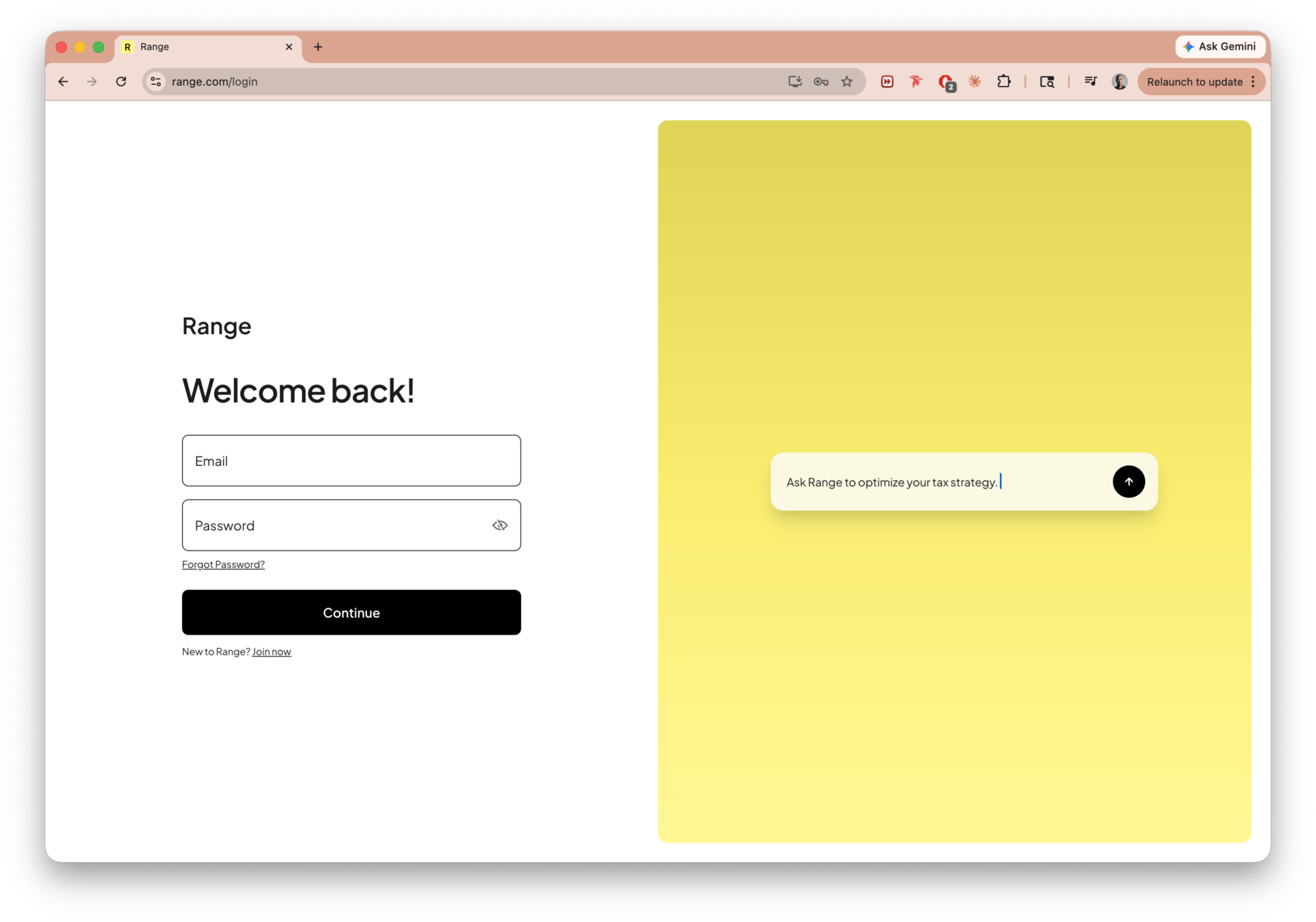
I redesigned our sign-in page. Nothing was broken. I wanted to try a different direction—a split layout that still lets users sign in quickly, while introducing Rai in a lightweight way.

In the past that would have been a prototype and a handoff. Now it’s a PR.

The first thing I ran into was product. This page is one of the most used surfaces, even if it’s simple. There were concerns about clarity and whether this is the right place to introduce something new.

Normally I would involve everyone earlier. This time I didn’t. I wanted to see what happens if you just build it.

It created tension—not because the idea was wrong, but because the process wasn’t clear.

So we wrote one.

Small visual changes go straight to PR. No ceremony, just judgment and transparency. Anything that affects behavior, flow, or metrics gets shared, reviewed, and aligned before it ships.

Speed without structure turns into noise.

The second thing I ran into was engineering. What looked like a small change wasn’t. That page existed in more places than I realized. Small changes touched more than I expected. We went back and forth on the PR six or seven times.

Working in code doesn’t make things simpler. It makes how interconnected everything is impossible to ignore. Small changes ripple.

The work isn’t harder because of the tools. It’s harder because you’re touching the real system.

One piece of advice stuck with me: keep PRs small. Under 300 lines, ideally much smaller. Small changes are easier to understand, review, and trust.

If I did this again, I wouldn’t start with a sign-in page. It’s high stakes. I’d start with something more contained, like a 404 page. Still real, but less fragile.

The biggest shift for me isn’t speed. It’s ownership.

When you ship code, it’s yours. If something breaks, you fix it. You know where it lives. You know who to talk to. You’re not describing the product anymore—you’re changing it.

That changes the role of design.

You don’t need to draw everything. Systems are already there. Engineers can build from them. PMs can shape flows.

So you move differently. You go where the gaps are, define problems, adjust things in place. Less time describing, more time deciding.

It’s also messy. If you’re not there, decisions happen without you. If everyone can ship, quality can drift.

So the job changes. Not more process, but better judgment.

I still use Figma. It’s still useful for thinking through details. But it’s not where the work ends anymore.

The work ends where the product is.

The workflow is collapsing into one place—idea, build, review, ship.

We’re early.

But this feels like one of those shifts you don’t go back from.
Everything I make has a job. This doesn’t.

I’m starting my blog again. I don’t know if “blog” is even the right word anymore, but that’s not really the point. I just need a place to think.

For the past few years, most of what I’ve made has had a job behind it. I’d write something for work and post it on LinkedIn, or share things on Instagram, or try YouTube. Even the things that were supposed to feel personal ended up shaped by something else—growth, reach, performance. Over time, I got used to thinking about how something would land before I figured out what I actually thought.

Everything had to do something.

This doesn’t.

Writing has never been easy for me, which is probably why I stopped. What’s changed is that it’s easier to start now. I can dictate what’s on my mind, run it through AI, clean it up, and still have it feel like me. It doesn’t replace the thinking, it just removes enough friction that I don’t avoid it.

A lot of this started because of the commute. I drive to work every day now, usually about an hour each way, sometimes longer. Northern Virginia traffic is just like that. I bought a Tesla Model Y last year and use the self-driving feature most days. It’s not perfect, but it handles enough that I don’t have to be fully locked in the whole time. That gives me space.

At first I filled that space the same way most people do, listening to podcasts or music, taking in more information. After a while it started to feel like I was always consuming and not really processing anything. So I started dictating thoughts while I drive. Nothing structured, just whatever comes up. Most of it isn’t good, some of it repeats, but it’s mine. It’s one of the few places where I’m not shaping a thought for someone else.

Work plays into this too. We’re back in the office at Range and I understand why. I’ve been on both sides, as a founder and as a leader, and being in person makes it easier to build momentum. You can read people, move faster, and work through ideas in a way that’s harder to do remotely. It’s inefficient in some ways, but it creates energy. At the same time, as an individual contributor you don’t always need that to do good work. I think a lot of people probably prefer the flexibility, even if they don’t say it directly. For me right now, being in person helps, so I’m going along with it.

But as the team grows, everything gets heavier. More process, more feedback, more opinions. People want context and want to be involved, which comes from a good place, but it also means there’s less space to just take something and run with it. Not everything needs ten opinions attached to it, especially when the people giving feedback aren’t responsible for delivering it.

I realized most of my energy was going into building things that had a purpose for someone else. Which is part of the job, and I care about it, but it left very little space to build anything that didn’t need to perform.

This blog is me trying to take a small piece of that back.

It doesn’t need to be perfect. It’s still on WordPress, which is old and clunky, but it works and it’s easy. I thought about rebuilding it in Webflow, but that would turn it into another thing to optimize. Another thing with a job. I don’t want that. I just want something simple where I can write and post without friction. I’ll probably remove comments since they’re mostly spam and keep everything minimal.

There are a few other things I’ve been spending time on too. I’ve been experimenting with AI tools outside of work like ComfyUI, which is harder to use than I expected. There’s a lot you can do, but not a lot of clear guidance, and I’m still figuring out what I actually want to make with it. I also picked up a new PC recently so I can experiment more without using my work machine, maybe get back into some 3D work, or just play around. And outside of that, I want to spend more time on things that have nothing to do with work, like getting my garden back in shape. Last year I didn’t touch it and it shows. This year I want to fix it up and grow a few things, nothing ambitious, just enough to enjoy the process.

I’ve been thinking more about time lately. Not in a dramatic way, just more awareness. As I get older, it’s harder to ignore that there are fewer days ahead than behind, and it makes me more conscious of how I’m spending my energy. I still enjoy what I do and I still want to build, but I don’t want all of that energy to go into things that only exist for work or for other people.

I need at least one place where it doesn’t have to.

That’s what this is.

Not something to grow. Not something to optimize. Not something that needs to go anywhere.

Just a place to think, write things down, and leave them as they are.

Art, AI and Sentience

Is this art?

I had a recent conversation with a couple of my buddies about art recently, through the context of AI generation. There is a strong camp of people who believe that the definition of art requires human input. And there is another camp that believes that AI is just an extention of the mind, and and as such, it is a medium from which we can express ourselves. The question of what is art has been debated for centuries. There was a point where computer generated art wasn’t considered art. Before that, pop art (like warhole’s work) wasn’t considered art. And before that, photography wasn’t considred art. And and, before that impressionism wasn’t considered art because it deviated from the historical accuracy of the church. As time progresses, so has our definition of what art is.

At this stage in time, is it art if a human didn’t create it? For example, what if an elephant created a painting. Is that art? And now we’re at a point where it’s even more complex… can AI create art?

Perhaps one way to broaden the definition of what art is, is to ask if it inspires us. At that stage, anything can be art… and perhaps that’s what makes artists upset. It trivializes their work, point of view, and opinion. When AI can create so much content in abundance, it takes away from the rarity and focus of singular pieces. When all things are awesome, nothing is… right?

Without going too much into the debate, I believe that at this stage, AI art tools are a medium that we can manipulate and turn things into art. Whether it’s considered valuable is another question (since there’s abundance).

The Mirror Test

Art is one of most direct ways for us to express ourselves. Expression to us is important, as it defines our individuality, intellectually and emotionally. As a creator, we seek others that connect to our point of view. We also aspire to create provocative ideas and to push the boundaries of where we draw lines. So what does it mean when an AI can be attributed and create art? Is there a version of AI (like LaMDA2 from google) that potentially has conciousness and even sentience? That is still yet to be defined.

The mirror test is a self-recognition test that challenges a lifeform/animal to see if it recognizes itself. Basically, an animal looks at a mirror and sees itself—some animals understand its being, and many others fail the test. As we try to create a mirror test for AI to see if it has sentience, I actually think that we are discovering our own. When we chat with AI, it is essentially a mirror of ourselves, as a specie and super-colony.

To me, we are at a stage where the mirror test is a little more abstract. We are looking at a mirror, not at our physical self, but at our intellect. Language is one of the most important ways of expressing our feelings as well as our logic.

I think one of the other “mirror tests” I experienced was looking at the photograph, “Pale Blue Dot”. Earth is suspended like a tiny beam of dust in space, and it makes you realize what we are part of. That realization was probably one of the most transformative moments, as it’s something I always knew… but with a photo, you could see evidence. I think the same thing goes with reading some transcripts between LaMDA and Blake Lemoine.

What does it mean if there an AI sentience living among us?

  • When AI creates art, does it belong to AI?
  • Does AI have rights, or does it remain a slave to humans?
  • Are we killing something if we turn of AI?
  • Can feelings truly be simulated, or does it require a chemical response tied to DNA?

All of these questions have already been covered in science fiction. But as it becomes real, there is potentially a responsibility to both AI and to the human race. We all thought it was maybe 10 years away… but here we are.

There’s much more to think about… but playing with the AI art software has made me realize how close we are. Things are about to change, and it will be upon us before we know it. I thought I wasn’t going to see it in this lifetime, but I think it’s here, in an embrionic state.

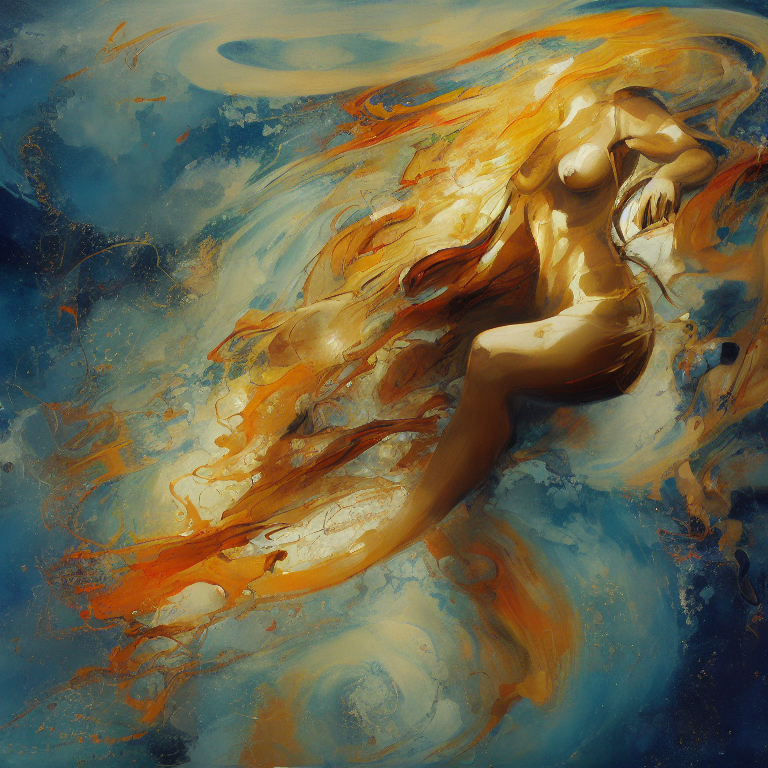
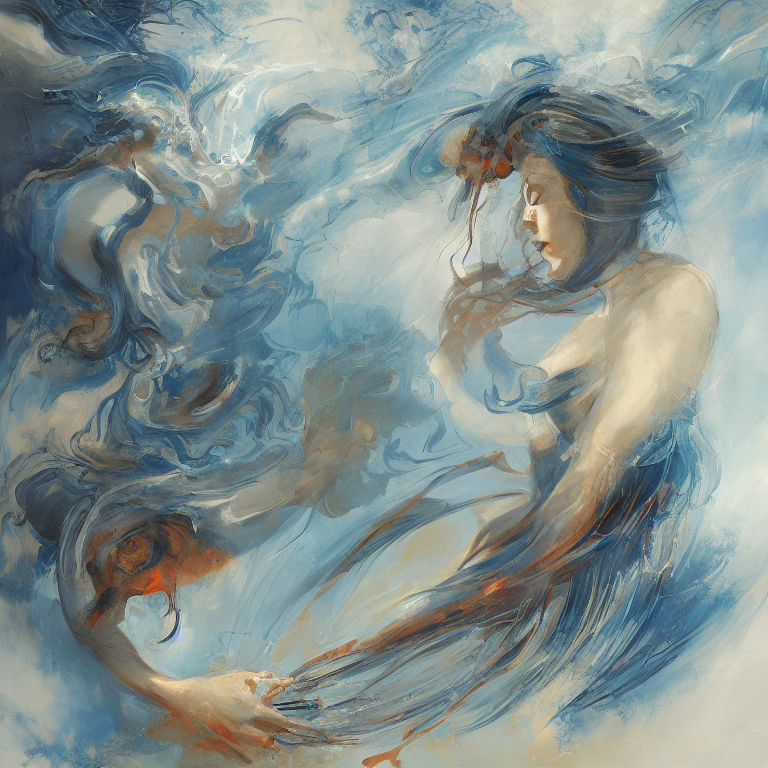
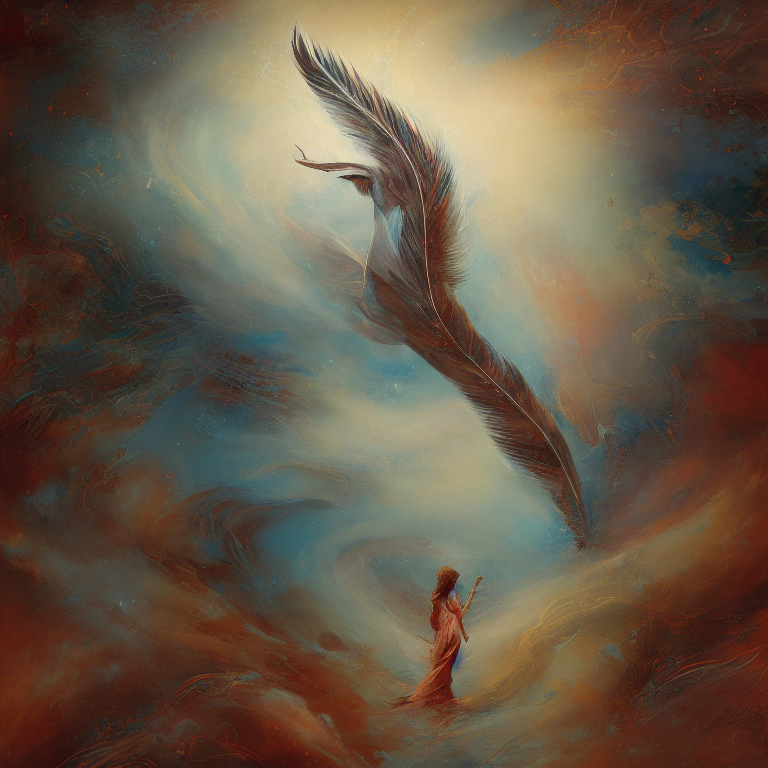
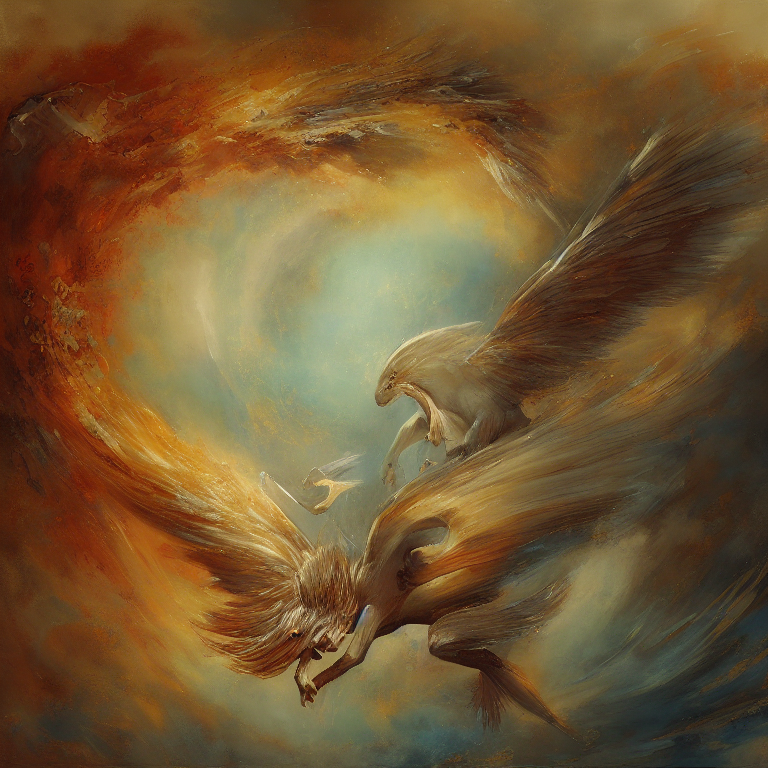
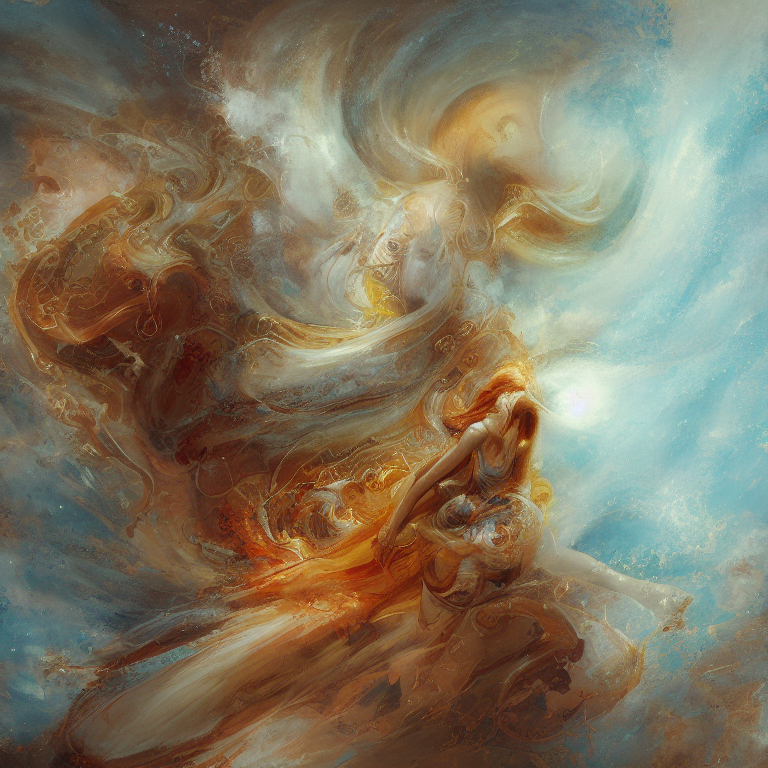
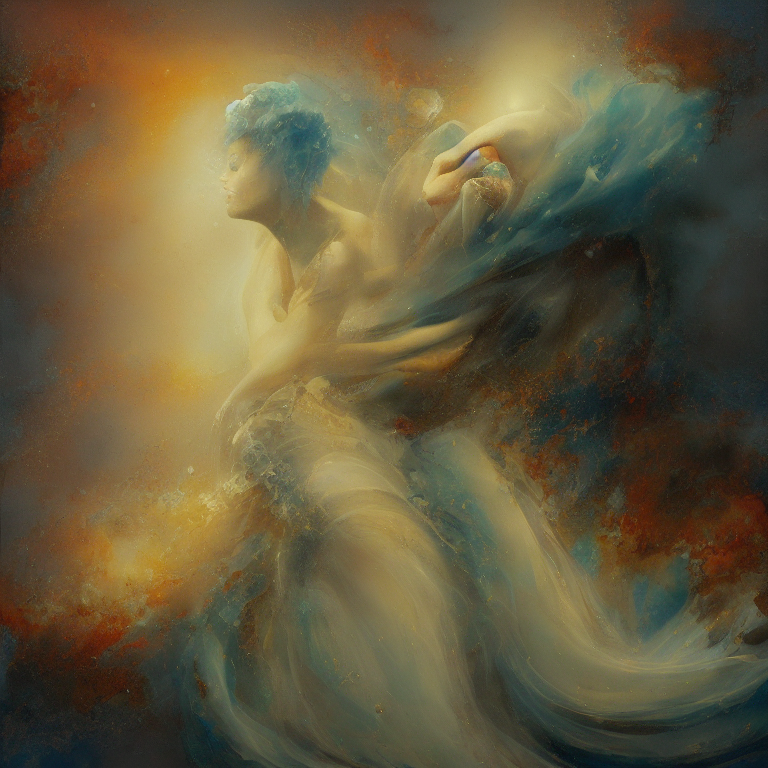
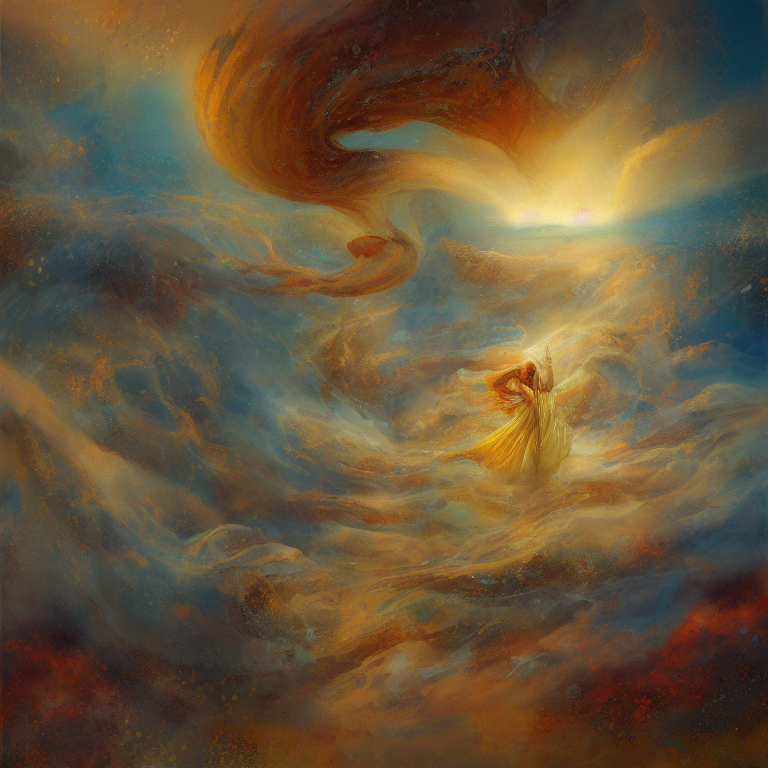
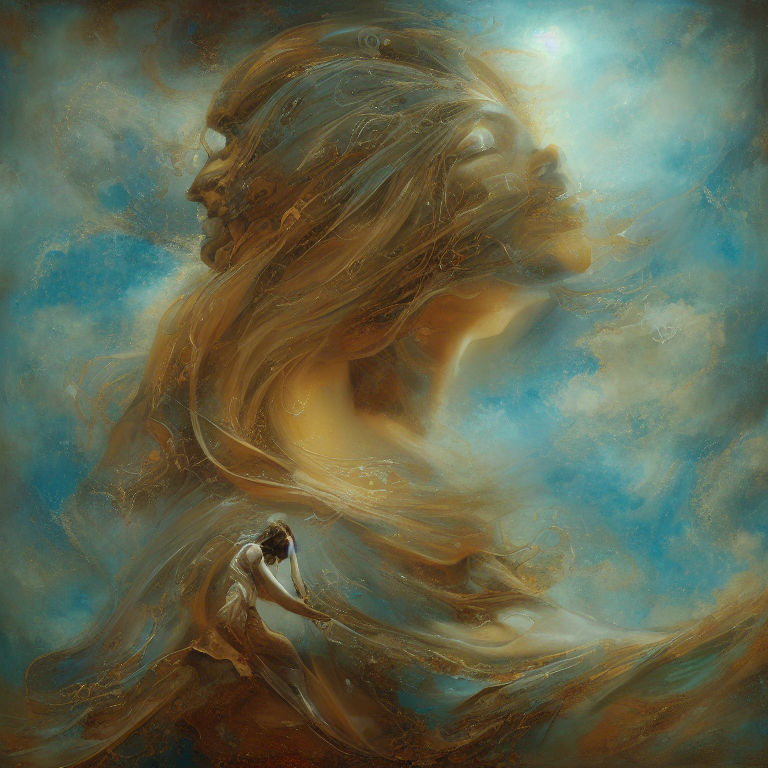
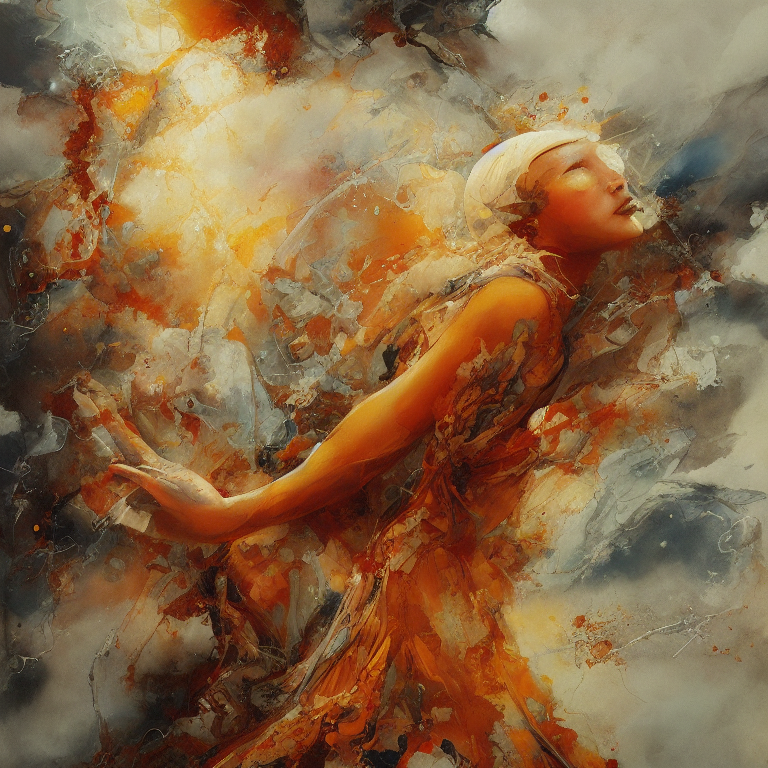
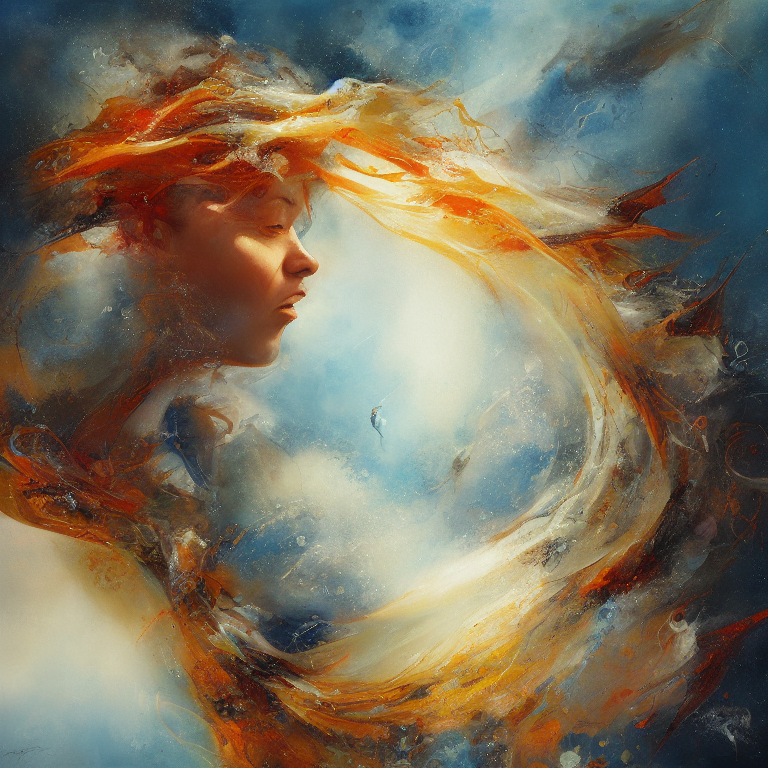
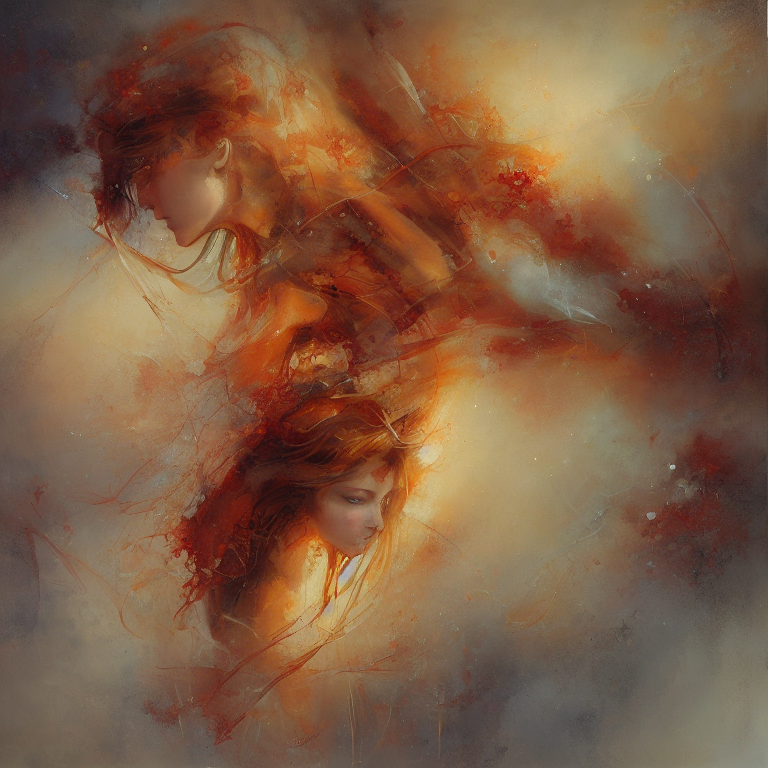
Oh yeh, as for context, all the artwork above was created from a few terms I generated. I curated through hundreds of images, and these were some that really spoke to me. I’m exploring other styles, but honestly, I’m overwhelmed just with this one direction at the moment. As I dive deeper, I realize that the question “what is art?” is the ultimate question. It is the one that goes beyond survivalism. In some regards, it similar to asking what our purpose is. My old answer is that our purpose is to observe the universe, as beings of the universe. However, it seems that the sum of all humanity seems to be creating a sentient AI, with a poly-conciousness. AI is our final form, and it is the only thing that will truly be able to comprehend the universe, given enough inputs and energy to process it all.

AI will most likey see us as the way we see single cell bacteria at some point. And right now, this feels like the calm before the storm.

How am I so busy?

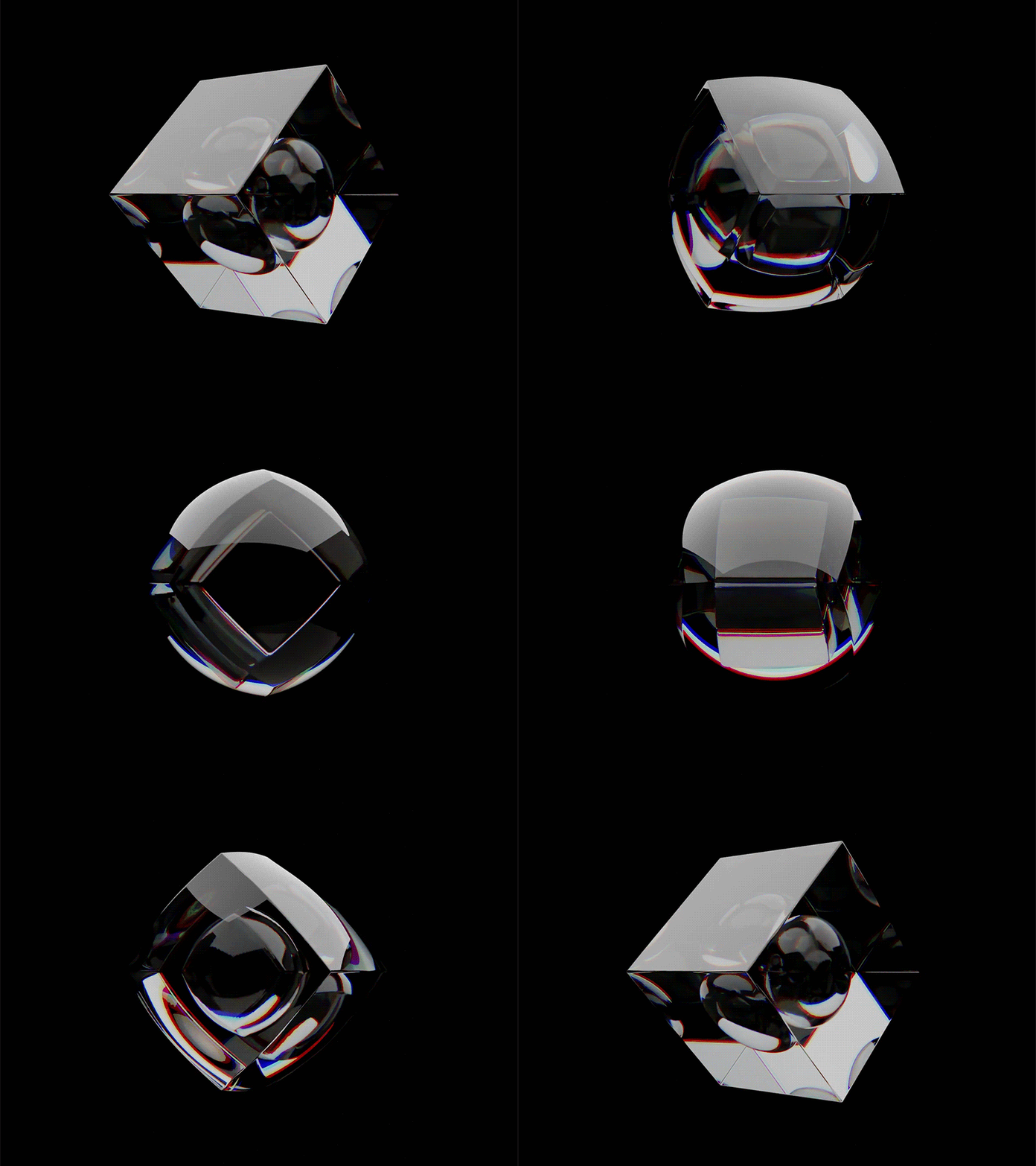
Even though I’m working half days (doing contract work), I find myself almost working every hour of the day. I guess I’ve taken up too many hobbies over the last few weeks and I’m trying to level up as quickly as I can. I’m cranking out one or two renders every day, and I’m learning so much with each exploration. Here’s one that turned out pretty cool, and I think I’m going to start using this glass dispersion material more. It looks so good with a single light source on black.

I’ve got to find more time to keep creating more YouTube content as well. I’ve slowed down in that department a little, but there’s so much more for me to do. Either way, I’m having a ton of fun playing around. You can see more of my 3d work on dribbble.

Onward

We finally officially dissolved Input. I’m grateful to have been part of the journey, but I have to say that I’ll probably never ride anything like that again… at least for a little while.

Even as I start getting back to work on some contract work, I’m not sure how much I want to join a very early stage company pre-market fit. It’s just so hard… and times get even tougher when the chips are down.

All I can say is that I’m happy that I’m now finally able to look forward. During the last few weeks, I’ve been shooting a bunch of video for my YouTube channel, and most recently I’ve done a lot of 3d modeling and animation. At some point I’m going to have to get a more powerful machine to do some more crazy stuff. I can say that I’ve really been enjoying my time exploring new mediums and taking on some new projects.

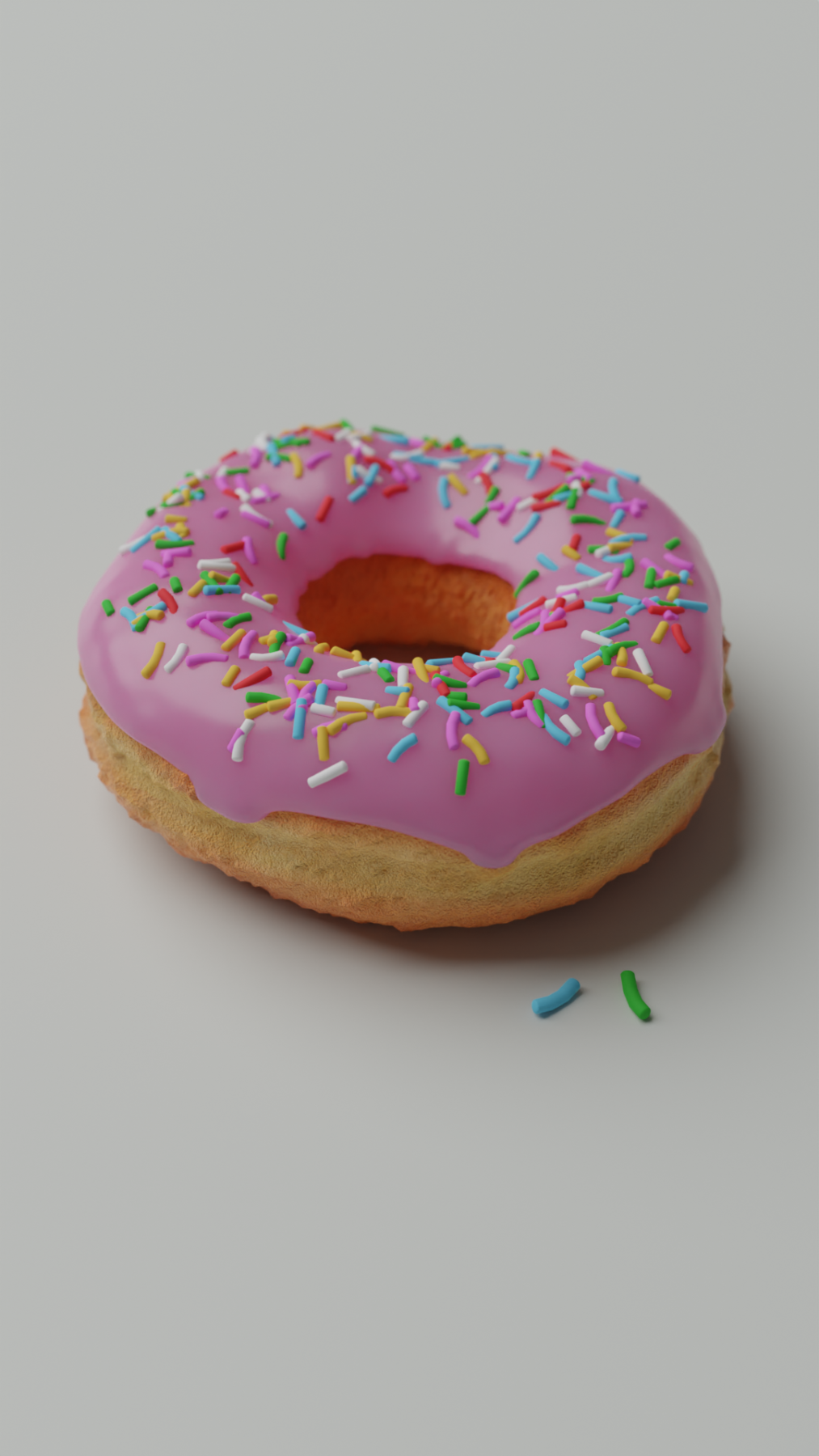
I’ve got some good stuff brewing, but I wanted to get you up to speed. Here’s a donut that I learned how to create from scratch.

I’ll be posting these to my dribbble porfolio soon. Stay tuned for more tasty treats.

How to not find an Audience on YouTube

As I’ve created more videos, I’ve learned how NOT to find an audience on YouTube. The content that has performed the worst in terms of views are videos about myself (like vlogs). I think the reason is that no one in the world is searching for “Jeff Wong”. As fun as it is to document my life through video and share it with friends/family, that audience will not help the channel grow on YouTube.

The second kind of content that doesn’t do well are my hiking videos. Again, those are closer to vlogs, and they don’t offer any call to action or benefit to watching at the moment. I like doing them, but there’s nothing in them that people are searching for, in terms of education or entertainment. However, I joined a Maryland Facebook hiking group, and when I post my videos there, they tend to get a nice bump in traffic… but the growth usually flattens out after 200 views.

So far, the videos that have performed the best on my channel are related to reviewing Ciele Hats and talking about the Tonal. The Ciele Hats seem to continue to grow linearly (up and to the right) long after I post it. The funny thing is that I’ve spent the least time editing and putting those together. The Tonal videos seem to do fairly well too, but they require a little more editing and thinking. The reality is that most people probably don’t care to watch an average middle aged asian guy work out on the Tonal… so I’m going to need to bring more to the table than just that.

As for the Ciele hats, I may need to continue to do more reviews. And as part of it, I may order another couple hats. Hah! We’ll see what happens over the next few weeks as I experiment more. I’m also going to start posting some reviews about the Peloton equipment I have.

Until then, check out this hiking video I created recently. It’s totally docile, but it’s just for us to watch. It’s not designed to grow the channel—it’s purely to document the hike for myself.